The Research Phase Is Where Most Bettors Already Lose
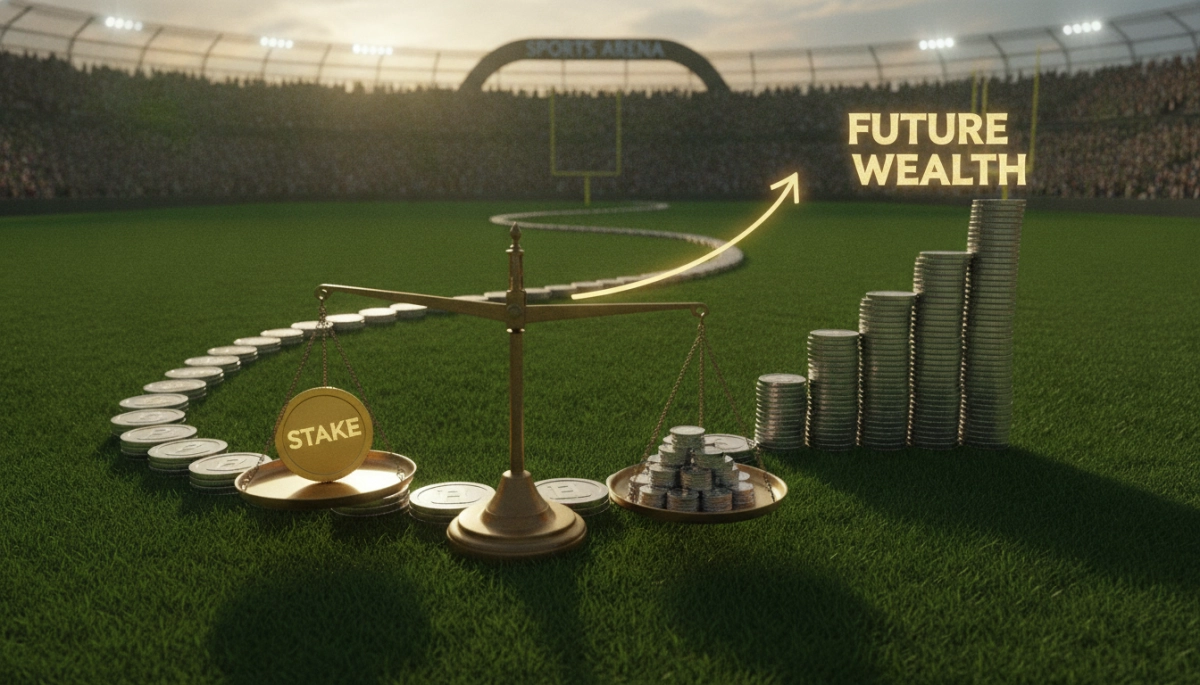
Most bettors assume their losses happen on the pitch. A late equaliser, a missed penalty, a goalkeeper who should have done better — these feel like the culprits. But for a significant portion of losing wagers, the damage was done hours or days before kickoff, during the research phase. The errors made there are subtle, habitual, and almost never examined with the same scrutiny applied to the result itself.
Football betting mistakes rarely announce themselves. They compound quietly — a skewed selection process here, a misread signal there — until the cumulative effect becomes undeniable in the bankroll but nearly impossible to trace back to its source.
Chasing Recent Form Without Understanding What It Reflects
Recent form is the most instinctive research tool in football betting, and also one of the most misused. There’s a meaningful difference between a team that is genuinely improving structurally — new tactical organisation, returning key personnel, improved pressing efficiency — and one that has simply benefited from a soft run of fixtures. The five-game form table rarely tells you which one you’re looking at.
Consider how often a mid-table side strings together three or four wins in autumn, only to regress sharply when the schedule tightens. The wins were real, but the underlying xG numbers, shot quality allowed, and fixture difficulty told a different story. Form, stripped of context, is just noise dressed up as information.
The compounding effect is worth understanding. A bettor who consistently backs teams in strong recent form without interrogating the quality of that form will encounter early validation as selections occasionally deliver, followed by a steady bleed when the underlying weakness surfaces. Because the wins feel like confirmation, the losses feel like bad luck. The cognitive feedback loop makes the mistake self-sustaining.
Ignoring Line Movement and What the Market Is Saying
Odds are not static opinions left untouched after opening. They move — and the direction and timing of that movement carries genuine informational weight. When a line shifts significantly before kickoff without any obvious public trigger, it often reflects sharp money from bettors whose research is more rigorous than average. Dismissing that signal is one of the quieter football betting mistakes that experienced punters rarely make twice.
This doesn’t mean blindly following line movement is a strategy — it isn’t. But ignoring it entirely, while relying solely on one’s own pre-match analysis, means betting in a partial information vacuum. A bettor who identified value on a home side, then watched the line shorten against that side without reconsidering, has chosen to ignore a data point the market itself is generating in real time.
The practical habit worth developing is simple: check where odds opened and where they sit close to kickoff, then ask what might explain the movement. Sometimes the answer is public sentiment inflating the favourite. Sometimes it signals something more substantive. Either way, the question itself is part of disciplined preparation — and skipping it is a form of wilful blind spot.
Misreading Team News and the Illusion of Being Informed
Team news is the pre-match variable bettors engage with most actively, and also where interpretation breaks down most consistently. The mistake isn’t failing to find the information — in an era of press conferences and real-time updates, that information is more accessible than ever. The mistake is in how it gets weighted once found.
A striker missing through injury is the clearest example. The immediate instinct is to downgrade the attacking team’s chances, and that reaction seems rational. But the full picture requires more granular thinking: how central was that player to the team’s attacking structure this season? Has the likely replacement performed adequately previously? Does the opposition’s defensive vulnerability lie in areas that player actually exploited? A blanket downgrade based on a headline absence skips every one of those questions.
The opposite error is equally common. Bettors who see a key player return from injury treat that return as an unambiguous positive. In practice, a player returning from a three-week muscular injury rarely operates at full intensity, particularly in high-press systems. Managers frequently bring such players back at 70 or 80 percent to protect long-term fitness — but it reads as full availability in the team sheet.
What makes team news misinterpretation so damaging is the confidence it generates. Bettors who feel they’ve done the work arrive at their decision with conviction that isn’t always warranted by the depth of their analysis. That confidence removes the hesitation that might otherwise prompt a second look at the price on offer.
The Compounding Effect of Confirmation Bias
Underlying all three errors — form misreading, line movement blindness, and team news misinterpretation — is a single cognitive pattern that makes each mistake harder to catch and easier to repeat. By the time most bettors research a match, they often have a preliminary lean. The research that follows then tends to confirm that lean rather than interrogate it.
In pre-match football analysis, confirmation bias is particularly systematic because the available information is both rich and genuinely ambiguous. Statistics can be selected to support almost any narrative. Form tables can be cropped to the period that tells the preferred story. Team news can be interpreted in whichever direction the pre-existing view requires. The data doesn’t push back unless the bettor deliberately constructs a process that forces them to seek disconfirming evidence.
The practical implication is straightforward, if uncomfortable: the time to stress-test a selection is precisely when you feel most certain about it. High conviction is often the signal that the filter has been working too efficiently in one direction. Asking what someone who reached the opposite conclusion might have seen — and genuinely engaging with that question — is among the most useful habits a bettor can build.
Why These Mistakes Remain Invisible for So Long
Pre-match errors are rarely diagnosed because of the natural distance between cause and effect in sports betting. A flawed research process produces a flawed selection, but the selection might still win — and when it does, the process feels validated. The win absorbs the mistake entirely.
This differs fundamentally from how errors register in other competitive disciplines. A chess player can review a game and identify an inferior move independent of the outcome. Football bettors, by contrast, tend to evaluate research quality through results — and results, over short samples, are unreliable guides to process quality. A string of wins built on shallow research feels indistinguishable from one built on rigorous work.
The damage accumulates below that surface, in the selections that didn’t win and the margins that were never as favourable as they appeared. Addressing it requires examining the research process itself — how information was gathered, what was given weight, what was quietly filtered out, and whether the final decision represented genuine analysis or a rationalised first instinct dressed in data.
Building a Research Process That Works Against Your Own Blind Spots
The errors described here — chasing surface form, ignoring line movement, misreading team news, and letting confirmation bias steer the process — are not signs of carelessness. They’re the natural output of how human beings process information under uncertainty. The problem is that effort and rigour are not the same thing, and in pre-match research, the distinction is everything.
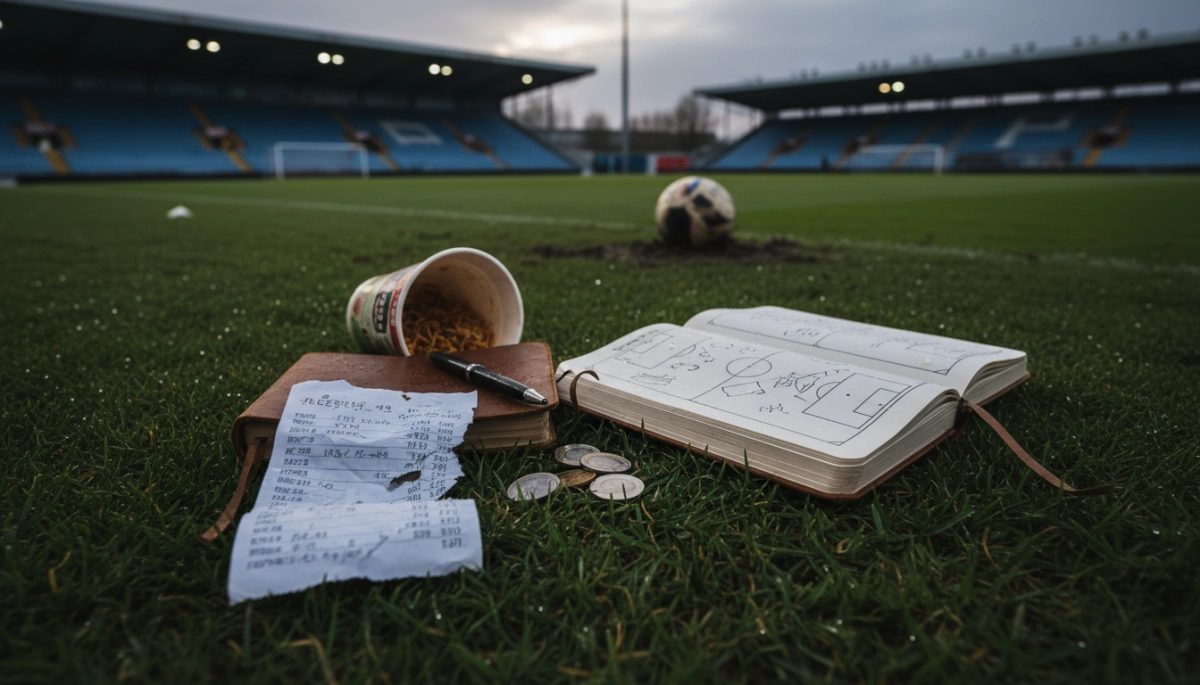
What separates bettors who improve from those who cycle through the same losing patterns is not access to better information. The difference is structural. Bettors who improve tend to have imposed constraints on their own process: they record their reasoning before the result is known, they track the quality of analysis behind each selection, and they treat their own certainty as a variable worth questioning.
A few practical habits compound positively over time. Logging the specific reasons for each selection — including what information was considered and what was set aside — creates a record that results alone cannot provide. Reviewing that log across twenty or thirty matches reveals patterns that no single outcome ever would. Engaging seriously with market movements adds another layer of discipline, incorporating line movement as a data source alongside independent assessment — not as a replacement for original thinking, but as a check against conclusions formed too comfortably.
Team news, handled carefully, becomes genuinely useful rather than a source of false conviction. That means resisting the instinct to translate every absence or return into a simple positive or negative, and instead asking precisely how the change affects the specific matchup being assessed. The work takes longer. The conclusions are less clean. That discomfort is usually a signal that the analysis is closer to accurate.
Pre-match football betting does not reward the most enthusiastic researcher or the most confident one. It rewards the bettor who has learned to work against their own instincts at the moments when those instincts feel most reliable — and who has built a process capable of catching mistakes before they quietly take hold.