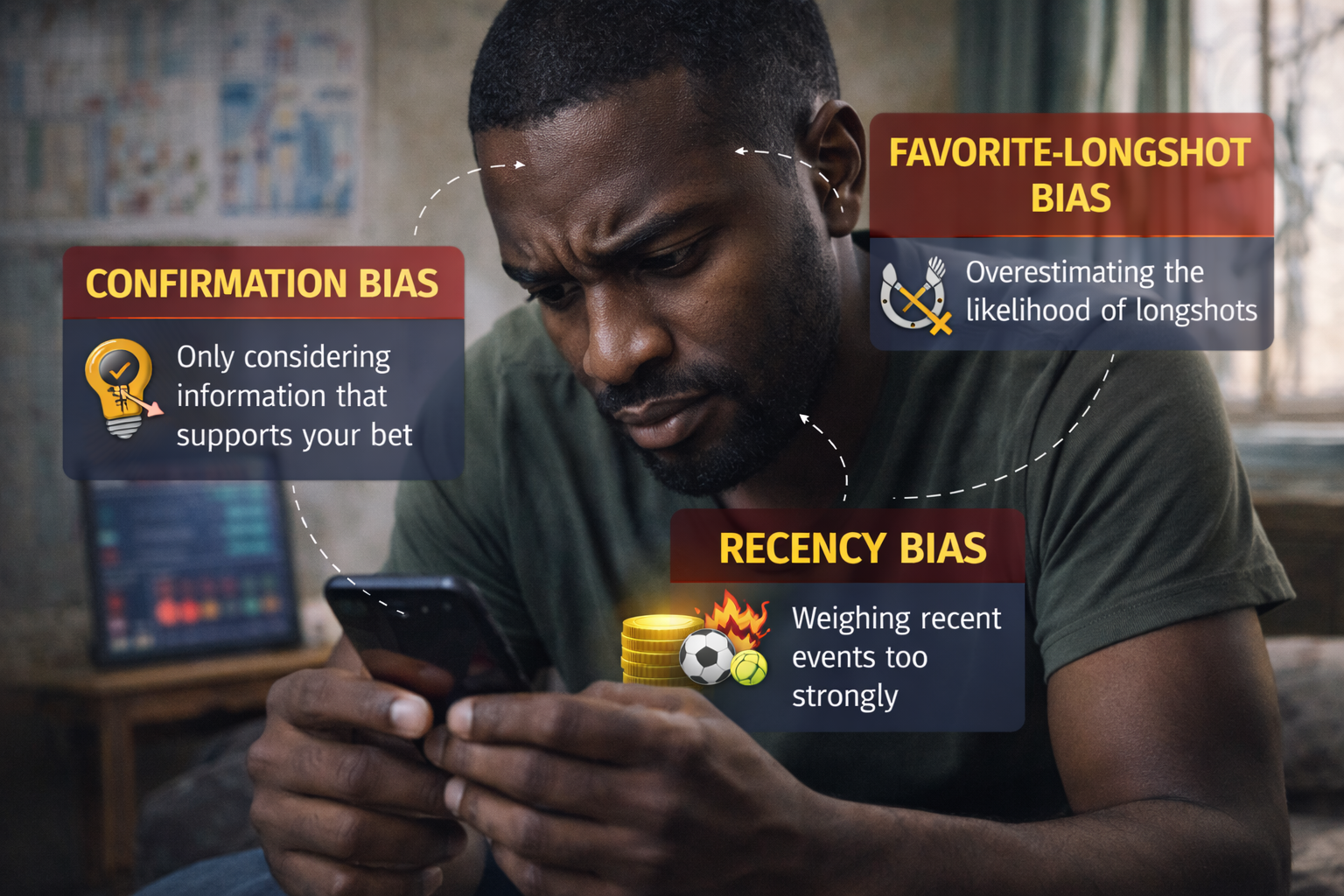
You’re checking the team sheet on a rainy Saturday and one side’s won four of their last five – the other can’t buy a win. In football, form is the short-term pattern scouts, bettors and managers watch: usually the last five matches or a rolling 10-game window, plus goals, xG and home/away splits.
Form isn’t destiny – it’s a snapshot.
So when people shout about good or bad form, they’re compressing a lot of context into a single read.
Breaking Down the Basics
Say a club’s sequence reads 3-1-1 over five fixtures; that’s wins, draws and losses but it’s only surface level. Analysts add goal difference, xG per 90, shots-on-target %, possession and home/away splits to build a fuller football picture. And managers layer in minutes played, rotation and injuries because a 5-match sample can hide who actually carried the load.
Why It Matters on the Field?
When a striker’s scored in four straight games the whole side behaves differently, defenders close him down earlier and midfielders feed him more, it’s tangible. Confidence rises, opponents tweak tactics, and a manager might shift formation – that can lift a team’s points-per-game from roughly 1.1 to nearer 1.8 during a hot run. Momentum changes choices on the pitch and in the dugout.
Imagine a mid-table clash where one team loses two starters to injury and their recent wins suddenly look fragile; injuries and fatigue are the most dangerous factors for form. Analysts then slice data – last-5 home/away, xG-allowed, pressing intensity, turnover rates – and that’s where hype gets separated from hard football evidence.
Different Types of Football Form – What’s the Deal?
| Recent Results Form | Win-draw-loss over last 5 matches (example: 4-1-0 shows momentum; useful for short-term bets) |
| Underlying Metrics Form | Stats like xG, shots on target, possession; e.g., team with 2.1 xG/90 is outperforming raw results |
| Home/Away Form | Split performance by venue – some teams win 60% at home but only 20% away, big swing in football |
| Tactical/Formational Form | How shape changes affect output – switching from 4-2-3-1 to 3-4-3 can raise pressing intensity and chances |
| Player-Level Form | Individual metrics per 90 (goals, xG, pressures); a striker with 0.5 non-pen xG/90 is a hot prospect |
- Recent Results – streaks, confidence, short-term outlook
- Underlying Metrics – xG, xGA, shots, expected values
- Home/Away – venue splits and travel effects
- Tactical/Formational – shape, pressing, overloads
- Player-Level – roles, minutes, per-90 stats
Tactical Formations
When Klopp settled on a 4-3-3 at Liverpool the thing that jumped out was how spacing created overloads on the wings, and that shift produced more high-quality chances – formations matter. Coaches often tweak a 4-2-3-1 into a 3-4-3 mid-game to force wider play, and you’ll see possession go up by 5-10% in some matches. In modern football formations tell you what a team intends to do – press high, sit deep, or control midfield – and the numbers back it up.
Player Roles and Responsibilities
I once watched a fullback run 11 km and turn a defensive lapse into an assist, wild right? Modern wingbacks in top leagues commonly cover 10-12 km per game and average 3-5 key passes when given license to attack. Midfielders might be judged by 80-120 passes and pressures per match, while forwards get scrutinized for non-pen xG per 90. So roles change tactics, and that shift can flip a team’s form overnight in football.
On a deeper level, roles are maps not rules – a 6 (defensive mid) might sit on the edge of the box for cover then step into the line to press and that single movement changes pressing triggers and passing lanes. Data-wise you track interceptions, pressures, progressive carries, expected assists and heatmaps; for example a 10% jump in progressive carrying often correlates with more entries into the final third. Coaches will ask players to invert, overlap, underlap – those tiny choices create big statistical shifts and explain why a team can look like it’s in good form one month and shaky the next. Recognizing how those role shifts affect team outputs is what separates surface-level stats from real tactical insight.
Got Tips? Here’s How to Measure Your football Form
You’re staring at the match report after a 3-1 weekend and wondering if form has dipped or if it was just bad luck – check the last five games: goals (2), assists (1), average xG 0.9, pass completion 84% and distance covered ~11.5 km. Track trends, not isolated matches, and log data in a simple sheet or app so you actually use it. Knowing patterns across games helps you prioritise training, tweak set-pieces and decide who starts.
- football form line: last 5 results (W-D-L)
- xG, xA and shots-on-target %
- Pass completion, key passes and turnovers
- Distance covered, sprints and high-intensity runs
- Heatmaps and positional maps for role fit
Using Stats to Gauge Performance
Rewind to the locker room screen: numbers cut through bias. Look at averages over 5-10 matches-if a player’s xG rises from 0.4 to 1.2 per match while shots on target stay high, that’s clear progress. Coaches track per-90 metrics: interceptions, successful pressures, pass completion in final third; for teams you compare possession-adjusted metrics. Use casework-Jurgen Klopp’s teams measure press success by pressures in the final 30m and resulting turnovers per 90-and then act on the weak spots.
Watching Film – A Game Changer
It’s late, coffee cold, and you scrub to the 23rd minute turnover that cost the goal – that’s where form shows up off the stat sheet. Slow the clip, note spacing, who broke the line, which runs weren’t made; sometimes a pattern appears across matches, like getting exposed on counter transitions. Coaches tag 10-15 clips per session, focus on 3 repeatable errors and then rehearse fixes on the training pitch. football awareness gets sharper fast when you watch, pause and annotate.
Digging deeper: focus your film sessions on transition moments, set-piece organisation and one-vs-one defending-those are where matches swing. Clip timestamps, label them (possession turnover, poor tracking, missed pressing trigger), and keep sessions short – 30-45 minutes max. Use tools like Hudl or simple VLC to loop plays, aim for 10-20 clips per player per week and leave each review with 2-3 actionable tasks. That way the video work actually changes behaviour on the pitch.
Step-By-Step Guide to Improving Your Football Form
| Step-By-Step Guide to Improving Your Football Form |
Recently, football has gone full data-mode with GPS and video analysis shaping how players refine form. Start with a baseline movement screen, set micro-goals (technique, power, decision speed), then build 4-week blocks that mix skill work and load management. Aim for 2-3 strength sessions and 3-4 technical sessions weekly, plus one HIIT day. Want proof? Clubs like Liverpool and Bayern use similar periodisation to lower soft-tissue issues and sharpen match actions. |
Training Regimens That Work |
Many coaches now use 4-week microcycles – intensity peaks in week 3 then a deload in week 4. Combine 2-3 gym sessions (compound lifts, Nordic hamstring, single-leg work) with 3 technical sessions (first-touch, passing patterns, small-sided games). Add 1 HIIT session for match fitness. For youth, reduce strength volume by 30% and focus on movement quality; pro and semi-pro players often hit 6-8 high-quality reps per exercise set. |
Drills You Can Do Anywhere |
Got ten minutes? Do a 5-minute ball mastery circuit (toe taps, inside-out, pull-push) then 3 sets of 60-second wall passes, finishing with 4 x 20-yard shuttle sprints. These drills boost touch, tempo and short-burst speed. They’re simple, need minimal gear and you can scale intensity – perfect for off-day maintenance or travel sessions. Progress by adding constraints: one-touch only, weaker foot only, or target-based reps (hit a cone from 12m). For example, wall passing: aim for 200 quality contacts in 10 minutes across sets, but if fatigue drops technique, back off. And track perceived exertion or a basic HR check to avoid overdoing high-intensity reps. |
What Factors Are at Play in football Form?
Research suggests up to 40% of short-term team performance swings are explained by fitness, injuries and psychology in pro football. Tactics, squad depth and scheduling also swing results week-to-week, and home advantage still adds roughly 0.3 goals on average. Clubs track GPS loads, recovery metrics and mood surveys to spot dips early. Assume that small edges in any of these areas can cascade into big shifts in form.
- Fitness & conditioning
- Injuries & rotation risk
- Tactics, formation and match plan
- Travel, fixture congestion and recovery
- Mental state, confidence and leadership
Physical Fitness and Its Impact
Average outfield players cover about 10-12 km per match, midfielders often top 12 km, so endurance directly shapes late-game effectiveness in football. When players hit 85% of their high-intensity running target, teams keep possession longer and concede fewer chances. Coaches use periodised loads, cryotherapy and rotation to protect against overload – chronic fatigue raises injury risk and kills form fast.
Mental Toughness – Don’t Overlook This!
Penalty shootout studies show conversion rates can drop by roughly 20% under extreme anxiety, which tells you how big the head game is in football. Confidence, leadership and routines drive clutch moments; one vocal captain or a calm keeper can swing an entire dressing room. Teams run visualization, pressure drills and leader development to lift this invisible but measurable edge.
Mindset programs have measurable effects – some clubs report a 15-30% reduction in late-game errors after resilience training, and that’s not hype. Form collapses when collective doubt spreads. So you drill pressure scenarios, script responses, make rituals – tiny habits that anchor players when things get ugly. Coaches who invest here often rescue seasons with psychology as much as tactics.
Pros and Cons of Focusing on Football Form
On transfer-deadline day a scout pores over a striker’s last 5 matches – goals, shots on target, xG – and wonders if that hot streak will keep burning. You can spot gems fast; teams find short-term bargains and exploit opponents’ dips. But small samples mislead, and overvaluing a purple patch can backfire when injuries or tactics change the picture.
Pros vs Cons: Focus on Football Form
| Pros | Cons |
|---|---|
| Quickly identifies in-form players for short-term gains | Small sample size can produce false signals |
| Helps with tactical matchup decisions and team selection | May ignore long-term fitness or underlying decline |
| Useful for betters and fantasy managers chasing form spikes | Volatility often leads to erratic performance |
| Pairs well with metrics like goals/90 and xG for context | Overemphasis can cause costly transfer mistakes |
| Motivates players – form breeds confidence | Creates pressure, risking burnout or reckless play |
| Highlights tactical shifts that boost output | Can miss deeper tactical fit and role suitability |
| Aids scouts in uncovering late-bloomers or resurgent pros | Short-term focus often ignores youth development paths |
| Supports match-level analytics and opponent prep | Noisy data requires careful filtering |
The Upsides You’ll Love
Say a forward nets 5 goals in 6 games – that’s immediate ROI potential, right? Teams use form to tweak lineups, exploit weaknesses and even flip market value; transfers driven by recent form can save millions if you strike early. Combine form with xG, minutes played and physical load and you get a high-value short-term signal that’s actionable fast.
The Downsides You Should Know
But form flips – often. A player who scores 4 in 5 can regress to the mean across the next 8-12 matches, and injuries or a new coach wreck the context overnight. So overreacting to a hot streak is a common, expensive mistake in football decision-making.
For more depth, look at sample-size fixes: widen your window to 15-20 matches, weight recent games but keep longer-term trends, and always layer in xG, pressing metrics and injury history. Using multiple indicators cuts noise; for example, a striker with high xG and clear fitness metrics is a safer bet than one riding lucky tap-ins. That’s how you turn fleeting form into reliable insight.
My Take on Mastering Your Football Form
A recent trend is the jump in GPS and optical tracking across pro clubs, so data now nudges every training choice; players average about 10-11 km per match, and that influences how we shape sessions. I mix old-school drills with tech – sprint ladders then a session review on video, simple but effective. Want faster gains? Push consistency over flashy spikes. Perceiving fatigue early saves weeks of lost form.
Lessons I’ve Learned Over the Years
Teams that last season managed rotation well kept players fresher across 38 matches, and that taught me to plan microcycles: two high-load days, one medium, two light, with a tactical day squeezed in – it works. I track load management and tweak drills based on how players move, not just numbers. Perceiving subtle drops in intensity beats waiting for a bad result.
- football
- form
- consistency
Tips from the Pros
Coaches I shadowed swear by short, sharp interventions: 15-minute technical blitzes after a tactical meeting, plus targeted recovery-sleep, nutrition, cold baths. Small habits matter; one percent gains add up over a season. Perceiving how a player recovers between weeks is the real edge.
- football
- recovery
- periodization
Pro teams use proven tweaks: monitor heart-rate variability for readiness, rotate to keep high-intensity output above 80% across matches, and schedule 48-hour low-load windows after travel. For example, several EPL clubs limit top-speed runs to two sessions a week in congested months, and that drops non-contact injuries. Coaches also use video snippets to correct one action, not overhaul a player – quick fixes stick. Perceiving readiness day-to-day separates training from overtraining.
- football
- load management
- performance
FAQ
Q: What exactly is football form?
A: It’s surprising, but form isn’t just a streak of wins – sometimes a side losing games can be in better “form” than a team scraping squeaky-clean wins, because the underlying play tells a different story.
Form is basically a snapshot of how a team’s performing right now – trends in chances created, chances conceded, shot quality, and results. You can look at last five matches, last ten, whatever floats your boat, but the point is to spot momentum or decline.
Form is more about patterns than single results.
So when you say a team’s in form, you’re talking about both the scoreboard and the stuff behind it – the messy, nerdy football details that actually move the needle.
Q: What stats and methods are used to measure football form?
A: People often default to simple things – last five results, points per game – and yeah those matter, but they miss the meat: expected goals, shot locations, big-chance conversion, defensive actions and possession control.
Use a mix – raw results plus underlying stats like xG for and against, shots on target, pressing numbers. Weight recent games more than old ones – form changes fast in football, so give the last 3-6 matches a heavier say.
The best approach blends outcomes with underlying metrics.
And if you want fancier – rolling averages, Elo-like ratings or league-adjusted xG can help strip out opponent strength. You don’t need to overcomplicate it, but don’t just eyeball the last three scorelines either.
Q: How should I actually use football form when predicting matches or following a team?
A: Quick answer – treat form as context, not gospel. Ask who the opponent was, where the games were played, injury luck, and fixture congestion before you bet or shout from the rooftops.
Start simple: check recent points per game, then cross-check with xG difference and availability of key players. If the numbers disagree – like narrow wins but poor xG – expect regression, it’s football, things even out.
Combine short-term trends with quality-of-opponent adjustments.
Finally, don’t get fooled by small samples – use a blend of short and medium-term form, factor in home-away splits, and you’ll make much smarter calls than just following the last five results.