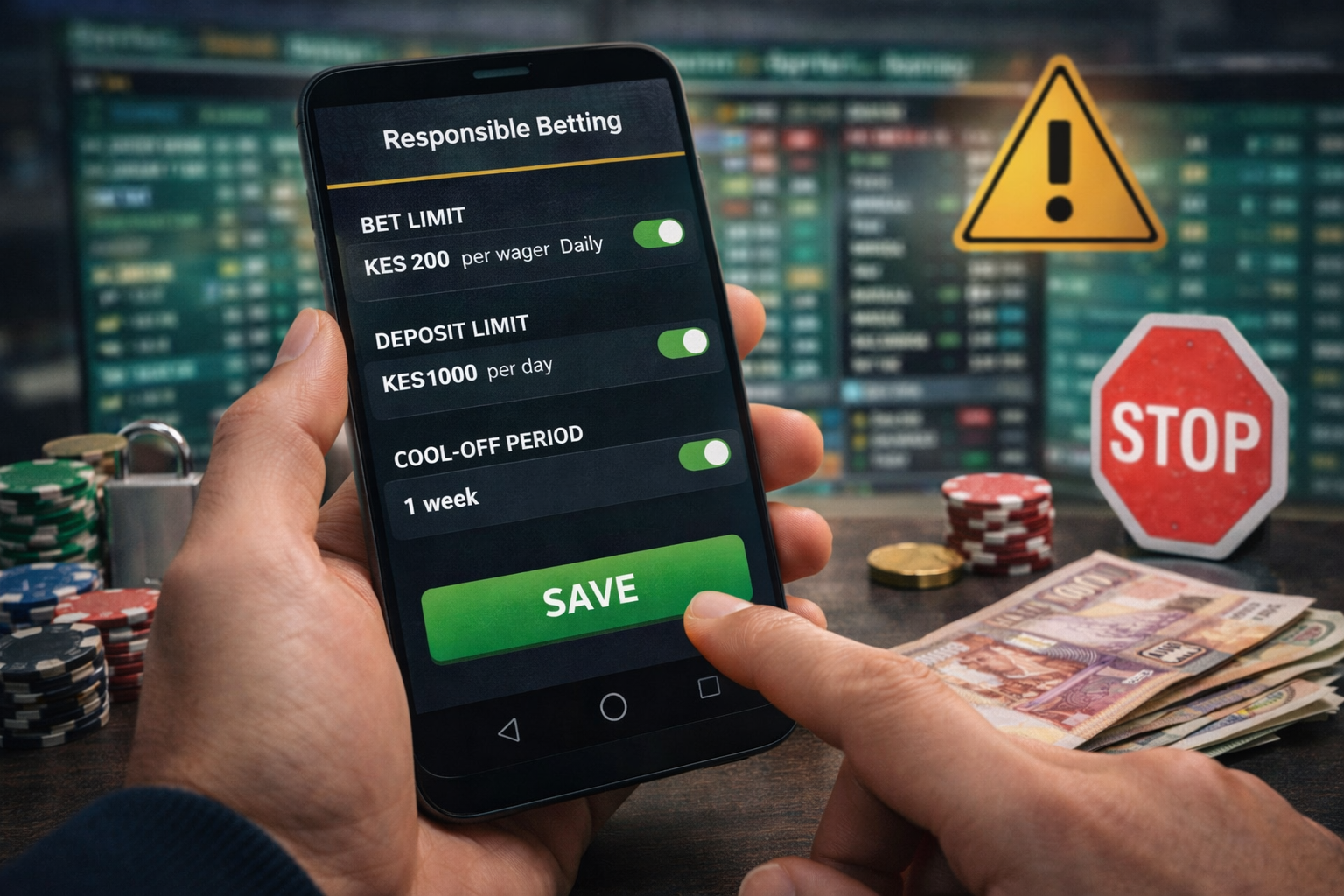
Responsible Betting and why it matters more than ever
Responsible Betting is often presented as a legal requirement or a checkbox at registration. In reality, it is a personal skill that separates controlled entertainment from harmful behavior. Betting itself is not the problem. The problem starts when control is lost, expectations become unrealistic, and decisions turn emotional.
Modern betting environments make self control harder. Mobile apps, instant deposits, live betting and constant promotions create frictionless access. There is no natural pause to reassess decisions. This is exactly why responsible betting tools exist.
Responsible Betting does not mean betting less for everyone. It means betting within boundaries that protect your finances, mental health and daily life. For some players, this means strict limits. For others, it means recognizing early warning signs and stepping back before damage occurs.
The key principle is simple. Betting should never be a solution to financial stress, emotional frustration or boredom. When it becomes a coping mechanism instead of entertainment, the risk increases rapidly.
Understanding limits, cool offs and red flags gives bettors the ability to intervene early, when change is still easy.
Betting limits explained: the first line of protection
Limits are the most effective and least intrusive responsible betting tools. They work best when set in advance, before emotions are involved.
A betting limit is a rule you cannot break in the heat of the moment. It replaces willpower with structure.
Deposit, loss, wager and time limits
Most licensed sportsbooks offer several types of limits:
Deposit limits
These cap how much money you can add to your account within a set period. Daily, weekly or monthly limits prevent sudden large deposits driven by emotion.
Loss limits
These restrict how much you can lose over a specific time. They are especially useful for live betting or casino games where losses can accumulate quickly.
Wager limits
These control how much you can stake, regardless of wins or losses. This helps prevent chasing behavior.
Time limits
These restrict how long you can stay logged in or actively betting. Time distortion is a major risk factor in online gambling.
Important rule:
Limits only work if they feel slightly uncomfortable. If a limit never forces you to stop, it is too high.
Limits should be based on disposable income only. Money needed for rent, food or obligations should never be part of a betting budget.
Cool offs and self exclusion: when limits are not enough
Limits are preventive. Cool offs are corrective.
A cool off is a temporary break from betting that you cannot reverse instantly. It creates distance between impulse and action.
Cool off options usually include:
- 24 hours
- 7 days
- 30 days
- 90 days
During a cool off period, you cannot place bets or deposit funds. Marketing communication is also typically paused.
Self exclusion is a stronger step. It blocks access for longer periods, often six months, one year or permanently. Self exclusion should be considered if:
- Limits are constantly increased.
- Betting continues despite negative consequences.
- Control feels weak even with restrictions.
Regulated betting markets require operators to enforce self exclusion strictly. For a global overview of responsible gambling standards and player protection frameworks, the Responsible Gambling guidelines published by the UK Gambling Commission are widely regarded as an authoritative reference.
Cool offs are not a punishment. They are a reset mechanism.
Red flags that signal betting is becoming a problem
Problem gambling rarely appears suddenly. It develops gradually, with warning signs that are often ignored.
Common red flags include:
Chasing losses
Increasing stakes after losing to recover money quickly. This is one of the strongest indicators of loss of control.
Betting with money meant for essentials
Using funds allocated for bills, food or obligations.
Emotional betting
Betting when angry, stressed, bored or depressed rather than for enjoyment.
Hiding betting behavior
Lying about time spent betting or amounts lost.
Constant rule breaking
Raising limits repeatedly or opening new accounts to bypass restrictions.
Loss of interest in other activities
When betting replaces hobbies, social interaction or rest.
Time distortion
Not realizing how long or how often you are betting.
One red flag alone does not define a problem. Multiple red flags combined indicate rising risk.
Responsible Betting starts with honest self assessment. Ignoring red flags does not make them disappear. It allows them to grow.
Psychological traps that bypass responsible betting rules
Even with tools in place, psychological biases can undermine good intentions.
Key traps include:
The sunk cost fallacy
Believing you must continue betting because you have already invested time or money.
Near miss illusion
Feeling encouraged by almost winning outcomes, even though they are statistically irrelevant.
Control illusion
Overestimating skill in games dominated by variance.
Availability bias
Remembering wins more vividly than losses.
Reward conditioning
Associating betting with excitement or relief rather than entertainment.
Understanding these traps helps explain why discipline feels harder than expected. Responsible Betting is not about being weak or strong. It is about designing systems that reduce exposure to these biases.
How sportsbooks design responsible betting tools
In regulated markets, responsible betting tools are not optional features. They are mandatory.
Serious sportsbooks provide:
- Clear access to limits and cool off settings.
- Transparency about odds, RTP and risk.
- Monitoring systems that flag risky behavior.
- Customer support trained in responsible gambling responses.
However, no tool can replace personal responsibility. Tools only work if they are used honestly and early.
Players should be cautious with operators that:
- Make limits hard to find.
- Allow instant limit increases.
- Push aggressive bonus offers after heavy losses.
- Lack visible responsible gambling resources.
Responsible Betting is a shared responsibility, but the first move always belongs to the player.
Conclusion: responsible betting as a personal strategy
Responsible Betting is not about quitting betting. It is about keeping betting in its proper place.
Limits protect your money.
Cool offs protect your mindset.
Red flags protect your future.
The earlier you apply these tools, the easier they are to use. Waiting until control is lost makes recovery harder and more emotional.
If betting ever feels like a solution instead of entertainment, that is the moment to pause.
The smartest bettors are not those who win the most in one night, but those who can still walk away comfortably years later.
FAQ
What is responsible betting in simple terms?
It means betting with limits that protect your finances, time and mental health.
Are betting limits mandatory?
In most regulated markets, sportsbooks must offer them, but players choose whether to use them.
Do cool offs affect my account permanently?
No. Cool offs are temporary breaks designed to help reset behavior.
When should I consider self exclusion?
If you feel unable to control betting even with limits and cool offs, self exclusion is a strong protective step.
Can responsible betting tools guarantee I will not lose money?
No. They do not change odds or variance. They reduce harm and protect control.
Is responsible betting only for problem gamblers?
No. It is most effective when used early, before problems appear.